Sustainable Solutions: How E-Waste Recycling Services Are Saving Our Planet
E-waste poses significant threats to the environment, as discarded electronics See the full post often contain toxic materials. These hazardous substances can contaminate soil and water, leading to broader ecological damage. E-waste recycling services present a viable solution. They serve the dual purpose of reclaiming precious materials and reducing contamination. Gaining insight into how these programs function and affect local communities is critical. The journey towards effective e-waste management raises critical questions about individual responsibility and collective action. What steps can be taken next?
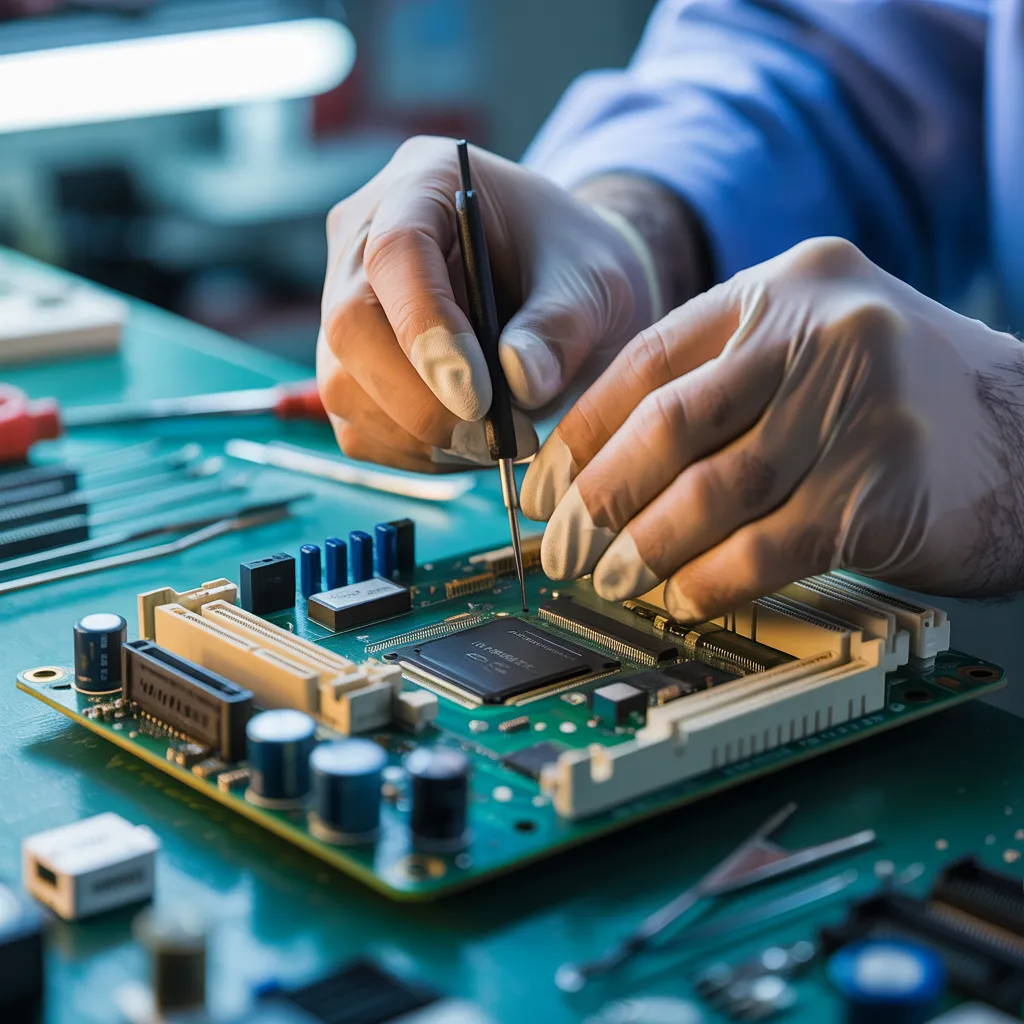
Why E-Waste Poses a Threat to the Planet
Even though technological advancements improve modern life, e-waste creates considerable environmental hazards. Disposed electronic equipment, commonly laden with toxic substances including mercury, lead, and cadmium, may release harmful substances into the surrounding soil and water supply, presenting dangers to human health and ecosystems. The accelerating rate of technological innovation contributes to greater consumer replacement of electronic devices, exacerbating the accumulation of discarded electronic materials.
Landfills, already strained by waste, are unable to keep up with the rising quantities of abandoned electronics. Incineration, a common waste management technique, emits dangerous pollutants into the environment, degrading atmospheric conditions. Furthermore, inadequate recycling methods can result in the shipment of electronic waste to underdeveloped nations, where workers may break down equipment without proper protective measures, putting themselves at risk of exposure to hazardous materials. This ongoing cycle of carelessness and inadequate management emphasizes the pressing necessity for responsible recycling initiatives that can lessen the harmful consequences of e-waste on our world.
Understanding E-Waste and Its Significance
E-waste, also referred to as electronic waste, encompasses obsolete electronic products such as smartphones, computers, and televisions that have reached the end of their useful life. This increasingly prevalent form of waste is important because of its swift buildup, fueled by innovation in technology and shifting consumer habits. As more devices become obsolete, the ecological consequences become more pronounced, with harmful substances like lead, mercury, and cadmium threatening both ecosystems and public health.
The importance of addressing e-waste lies not only in mitigating these hazards but also in recognizing the valuable materials it contains. Precious metals and rare earth elements can be recovered and reused, reducing the need for mining and conserving natural resources. With a thorough understanding of e-waste and its impact, people and organizations alike can make educated decisions about disposal and recycling, helping to build a more sustainable world. Effective handling of e-waste is vital for encouraging a circular economy and advancing environmental responsibility.
The Way E-Waste Recycling Functions
Recycling e-waste involves a structured approach intended to extract beneficial components while limiting ecological damage. To begin, e-waste is collected and transported to dedicated processing centers. Once there, the electronics are carefully categorized to separate hazardous components from recyclable materials.
Next, employees dismantle the items, removing metals, plastics, and glass. This stage is crucial, as it facilitates the retrieval of high-value metals like copper, gold, and silver, which are repurposed in new electronics.
Subsequently, the separated materials are refined through state-of-the-art techniques, such as chemical treatments and shredding, to cleanse them for recycling.
Ultimately, the leftover hazardous materials are disposed of responsibly, adhering to eco-friendly standards. This systematic method not only saves important resources but also minimizes the hazards associated with improper e-waste disposal, ensuring a more sustainable future for electronic consumption.
Why E-Waste Recycling Matters for You and Your Community
Although it often goes unnoticed, the positive effects of e-waste recycling extend beyond personal convenience to positively impact entire communities. By properly recycling electronic waste, individuals contribute to a cleaner environment, decreasing toxic components that can leach into soil and water. This forward-thinking practice actively safeguards local ecosystems and advances public health.
Additionally, e-waste recycling fosters job creation within communities. Nearby recycling establishments regularly need employees for numerous tasks, covering everything from collection to processing, thereby providing employment opportunities for local residents. This not only boosts the local economy but also encourages community engagement in sustainable practices.
Additionally, knowledge about e-waste recycling may result in learning opportunities, encouraging residents to pursue greener alternatives. By participating in e-waste recycling programs, individuals nurture a culture of sustainability, inspiring others to do the same. Ultimately, the combined impact of these actions can lead to a more robust and eco-friendly community.
How to Select an E-Waste Recycling Service
Picking the most suitable e-waste disposal service is vital for guaranteeing that e-waste is processed responsibly and sustainably. First, consumers should confirm the service's certifications, such as R2 and e-Stewards certifications, which demonstrate adherence to established benchmarks for safe recycling practices. Additionally, it is advisable to assess the company's standing by reading customer reviews and seeking referrals from reliable sources.
Moreover, transparency in the recycling process is vital. A trustworthy provider should provide clear information about how e-waste is processed and what happens to the materials. Additionally, considering the scope of services provided can prove valuable; certain providers may offer collection services or present rewards for recycling.
Furthermore, learning about regional rules concerning e-waste disposal may further shape the choice of disposal method. By taking these elements into account, residents can actively participate in responsible e-waste disposal as well as promoting environmentally responsible practices.
How You Can Get Involved in E-Waste Recycling?
Engaging in e-waste recycling often starts at the local level, where recycling centers frequently offer essential services for proper disposal. Moreover, taking part in community awareness campaigns can strengthen efforts to educate others about the importance of proper e-waste handling. These initiatives not only encourage sustainable practices but also build a collective sense of accountability for the environment.
Nearby Recycling Facilities
Numerous community recycling facilities perform an important function in electronic waste recycling, supplying communities with reliable ways to discard electronic waste in an eco-friendly way. These hubs welcome a wide array of electronic items, including aging computers, cell phones, and television sets, ensuring that harmful materials are handled safely. Most stations have knowledgeable personnel who can guide individuals on proper disposal methods, highlighting the value of recycling rather than landfilling. Moreover, various hubs coordinate scheduled drop-off occasions or specific collection dates, allowing residents to take part with ease. Through the use of these community services, people help build a circular economy, decreasing environmental damage and advancing sustainable approaches. Partnering with these facilities encourages communities to fight e-waste pollution decisively.
Community Outreach Campaigns
Nearby organizations, schools, and enterprises can partner to arrange initiatives that encourage e-waste collection drives. Volunteers can play a pivotal role in promoting knowledge, handing out educational content, and interacting with the surrounding community. As a result of these combined actions, community members grow more knowledgeable and inspired to dispose of their electronics responsibly, thereby helping to build a greener and more sustainable tomorrow.
Frequently Asked Questions
What Kinds of Electronics Can Be Recycled?
Many different electronics can be recycled, including laptops, televisions, smartphones, printers, computers, and gaming consoles. Furthermore, accessories such as keyboards, mice, and batteries are equally appropriate for recycling, supporting sustainable environmental practices.
Are There Fees Involved With E-Waste Recycling?
Indeed, e-waste disposal may involve fees, based on the service provider. Some facilities impose charges for collection or processing, while some providers make services available at no charge, frequently supported by the sale of reclaimed components.
What Are the Benefits of E-Waste Recycling for Businesses?
Companies can take advantage of e-waste recycling by lowering disposal expenses, improving their green reputation, meeting compliance standards, extracting valuable resources, and potentially generating revenue through resale, thus supporting a greener and more sustainable operational framework.
What Happens to Data on Recycled Devices?
Data from repurposed devices is often irretrievably wiped or destroyed during processing. This confirms sensitive information stays protected, preventing unauthorized access while allowing resources to be recycled safely and responsibly in new products.
Is It Possible to Recycle Damaged Electronics?
Absolutely, damaged electronics can be recycled. Several centers accept defective devices, providing responsible disposal and recovery of recoverable materials. It helps reduce environmental impact while promoting responsible recycling practices to address e-waste efficiently.